Beyond Statins: How to Prevent Heart Disease Naturally | Dr. Jack Wolfson
Listen on your favorite podcast platform:
Spotify | Apple Podcasts | YouTube | IHeartRadio | Amazon Music
What if heart attacks weren’t caused by a drug deficiency? In this powerful episode of the Foundational Health Podcast, Dr. Kevin sits down with holistic cardiologist Dr. Jack Wolfson, founder of Natural Heart Doctor and author of The Paleo Cardiologist, to uncover the real root causes of heart disease. After years in one of the largest cardiology groups in Arizona, Dr. Wolfson walked away from conventional cardiology to pursue a root-cause, lifestyle-centered approach to cardiovascular health. Why? Because lowering cholesterol isn’t the same thing as creating health.
Dr. Wolfson makes one thing clear: heart disease is not random. It’s not genetic destiny. And it’s not solved by simply suppressing numbers on a lab report. Health comes from removing the bad and adding more good. If you want to reduce your heart attack risk to near zero—not just slightly lower it—this episode is for you.
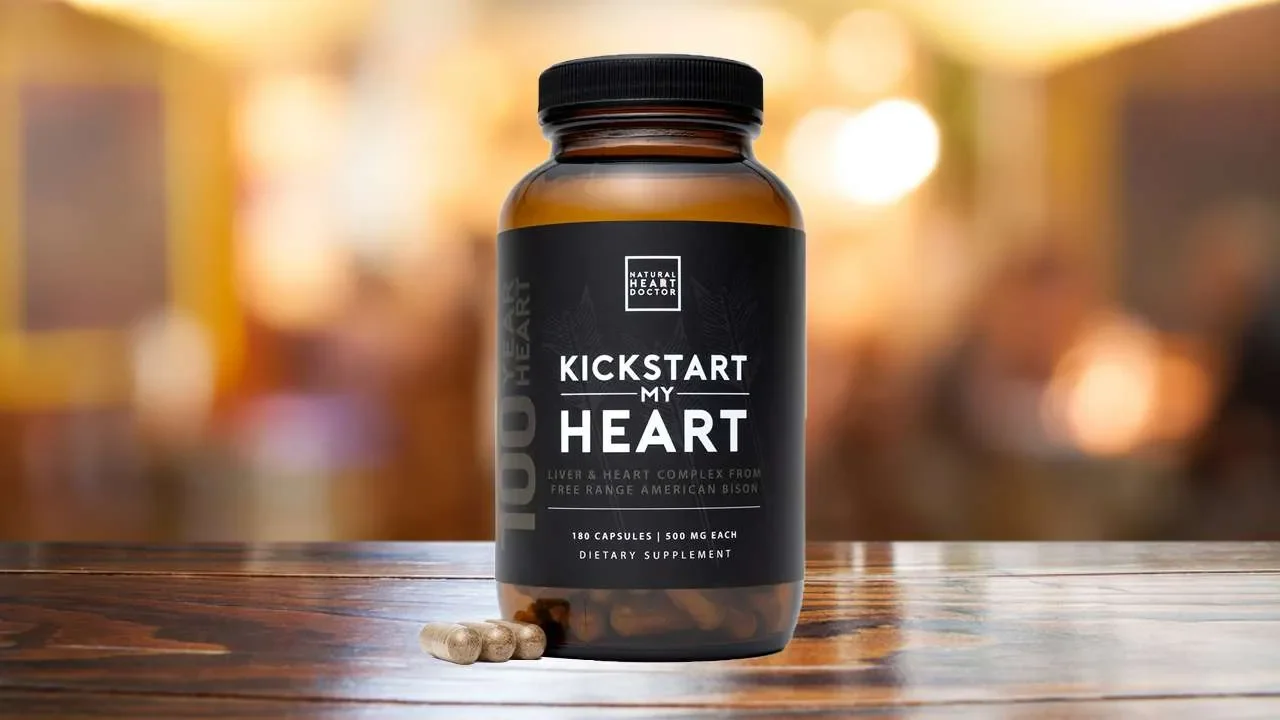
Find Natural, Heart Healthy Supplements
Shop Dr. Jack Wolfson’s cardiologist-formulated heart health supplements!
The Natural Path to Cardiovascular Health
By: Dr. Kevin Schultz & Colton Ward
Heart disease remains the leading cause of death worldwide. Yet for decades, the dominant strategy has centered around one target: lower cholesterol.
But what if heart disease isn’t a cholesterol problem?
Heart Disease Is Not a Drug Deficiency
Modern cardiology often frames prevention around pharmaceutical intervention. If LDL cholesterol rises above a certain threshold, medication is recommended. If risk calculators reach a specific percentage, statins are prescribed.
But reducing a number on a lab panel is not the same thing as creating health.
Cholesterol is not inherently harmful. It plays critical roles in:
Cell membrane integrity
Brain function
Immune defense
Every mammal produces cholesterol. The body manufactures it intentionally. The real issue is not cholesterol itself—it’s why the vascular system becomes inflamed and damaged in the first place.
What Actually Causes Heart Disease?
At its core, heart disease is an inflammatory and metabolic condition.
Arterial plaque does not simply “appear.” It develops in response to vascular injury. The key drivers of that injury include:
Chronic systemic inflammation
Insulin resistance and blood sugar dysregulation
Oxidative stress
Processed food consumption
Inflammatory foods
Environmental toxins (including mold exposure)
Chronic psychological stress
Circadian rhythm disruption
Sedentary lifestyle
When the inner lining of the blood vessels (the endothelium) becomes inflamed, LDL particles can become oxidized and contribute to plaque formation. In that context, cholesterol is more of a participant than the root cause.
This distinction changes everything.
Cholesterol: Context Matters
LDL has been labeled “bad cholesterol,” but cardiovascular risk is far more nuanced than simply “LDL is bad” and “HDL is good”. LDL and HDL are important markers for cardiovascular health, but they are only a small part of a much bigger picture. Other important markers to look at include:
Triglycerides
Triglyceride-to-HDL ratio
Fasting insulin
HbA1c
High-sensitivity CRP (inflammation marker)
Omega-3 index
Let’s take an example. Say you have someone with:
Elevated LDL
Low triglycerides
High HDL
Low inflammation
Strong metabolic health
This individual may have a dramatically different cardiovascular disease risk profile than someone with normal LDL but high inflammation and insulin resistance.
The point is this: treating cholesterol in isolation ignores the broader metabolic landscape.

Unpacking Common Cardiovascular Challenges
High Blood Pressure: A Symptom, Not a Standalone Disease
Hypertension is often treated as its own diagnosis. But elevated blood pressure is typically a signal — not the root problem.
Blood pressure rises in response to:
Arterial stiffness
Inflammation
Sympathetic nervous system overactivation
Poor sleep
Mineral imbalance
Excess body fat
Chronic stress
While medication can reduce numbers quickly, sustainable, natural lifestyle improvements target the root causes of hypertension and can lead to more long term solutions. This often requires foundational changes and key natural strategies such as:
Prioritizing whole, nutrient-dense foods
Eliminating ultra-processed foods and seed oils
Building muscle through resistance training
Optimizing sleep and circadian rhythm
Supporting nitric oxide production
Addressing gut health
Medication may be necessary in some cases, but it should not replace root-cause correction.
AFib and Structural Heart Conditions
Atrial fibrillation (AFib) is increasingly common. While genetics and structural changes can contribute, inflammation and lifestyle stressors often play a role in triggering episodes.
Paroxysmal AFib (episodes that come and go) may respond particularly well to:
Electrolyte optimization
Sleep improvement
Stress regulation
Reducing alcohol intake
Anti-inflammatory nutrition
Early intervention matters. The longer arrhythmias persist, the more structural remodeling can occur in the heart.
Exercise: Cardio Isn’t the Only Answer
Traditional advice emphasizes steady-state cardio for heart health. While movement is essential, resistance training offers unique cardiovascular benefits.
Strength training:
Improves insulin sensitivity
Builds metabolically protective muscle mass
Enhances mitochondrial function
Supports hormone balance
Increases resilience with aging
The goal is not excessive endurance training. The goal is sustainable movement that can energize you for a lifetime—ideally outdoors, in natural light, in ways that are enjoyable.
Environmental Toxins: The Overlooked Contributor
One often-missed piece of cardiovascular health is environmental toxicity.
Water-damaged buildings, mold exposure, heavy metals, and chemical burden can drive chronic inflammation and immune dysfunction. Over time, this inflammatory load contributes to vascular stress.
For some individuals with “mysterious” cardiovascular symptoms, environmental exposure can be a hidden driver.
This is why testing—not guessing—is so important.

The Foundational Health Model of Cardiovascular Health
True prevention doesn’t start in a pharmacy. It starts with building a resilient internal environment. The Foundational Health philosophy centers on:
Eating real, whole food
Sleeping in alignment with natural light cycles
Supporting your body’s natural recovery processes
Living an active lifestyle with intentional movement
Managing stress
Supporting detox pathways
Leading with intention for your family
Instead of asking, “How do I lower my risk slightly?” the better question is: How do I build such strong foundational health that disease struggles to take hold?
That shift in mindset is powerful.
FAQ: Heart Disease and Cardiovascular Health
What is the true root cause of heart disease?
Heart disease is primarily driven by chronic inflammation, insulin resistance, oxidative stress, and lifestyle factors—not cholesterol alone.
Are statins necessary for everyone with high LDL?
Not necessarily. Cardiovascular risk depends on the broader metabolic and inflammatory picture. Decisions should be individualized and be made with full, informed consent between an individual and their doctor.
Can high blood pressure be lowered naturally?
Yes. Nutrition, exercise, sleep optimization, stress reduction, and addressing underlying inflammation can significantly improve blood pressure.
Is cholesterol actually harmful?
Cholesterol is essential for human health. It becomes problematic primarily in the presence of inflammation and metabolic dysfunction.
What is the best diet for heart disease prevention?
A whole-food, anti-inflammatory diet emphasizing grass-fed meats, wild-caught seafood, vegetables, fruits, nuts, seeds, and healthy fats.
Does resistance training improve heart health?
Yes. Strength training improves metabolic health, insulin sensitivity, and cardiovascular resilience.
How do toxins affect heart health?
Environmental toxins increase systemic inflammation and oxidative stress, contributing to vascular damage over time.
What supplements should I take to support heart health?
Dr. Jack Wolfson advocates for a "food-first" approach, focusing on nutrient-dense, whole-food supplements rather than synthetic versions. He specifically recommends grass-fed organ meats (liver, heart, and kidney), wild salmon roe, and Australian emu oil to provide essential fat-soluble vitamins and fatty acids. Additionally, he suggests using nitric oxide boosters like beetroot powder and nattokinase to support healthy blood flow and plaque reversal. You can find these heart health supplements and more here: Natural Heart Health Supplements.
Get to Know Dr. Jack Wolfson
Dr. Jack Wolfson is a board-certified cardiologist and five-time "Phoenix Top Doc" who spent a decade in Arizona's largest heart group performing traditional procedures and prescribing medications. His path shifted when his wife, Dr. Heather, challenged him to look beyond surface-level symptoms and investigate the root causes of disease. This transformation led him to step away from the conventional medical model to focus on true health and wellness.
In 2012, he founded Natural Heart Doctor, a practice dedicated to holistic cardiovascular solutions that help patients live free from unnecessary drugs. Now a best-selling author featured on CNN, NBC, and Fox News, Dr. Wolfson empowers people to take control of their health naturally by focusing on how they eat, live, and think.