The Art of Biohacking: Natural Strategies to Measure & Optimize Health
Listen on your favorite podcast platform:
Spotify | Apple Podcasts | YouTube | IHeartRadio | Amazon Music
What if better health isn’t about avoiding stress—but using it strategically?
In this episode of the Foundational Health podcast, Dr. Kevin Schultz and guest Aaron Foster explore the world of biohacking—the art of tapping into your physiology to improve physical and mental performance. From cold plunges and sauna to red light therapy, grounding, and breathwork, this conversation dives deep into how microdose stressors (also known as hormetic stress) can actually make you more resilient, energized, and healthy.
You’ll learn how to tap into your body’s natural biology using simple, often free strategies that improve sleep, boost energy, enhance recovery, and help you handle stress better in everyday life. We also pull back the curtain on why your "normal" doctor’s labs might be failing you, and how holistic, functional medicine labs can give you a better picture of your health and wellness—as well as a blueprint for how you can improve.
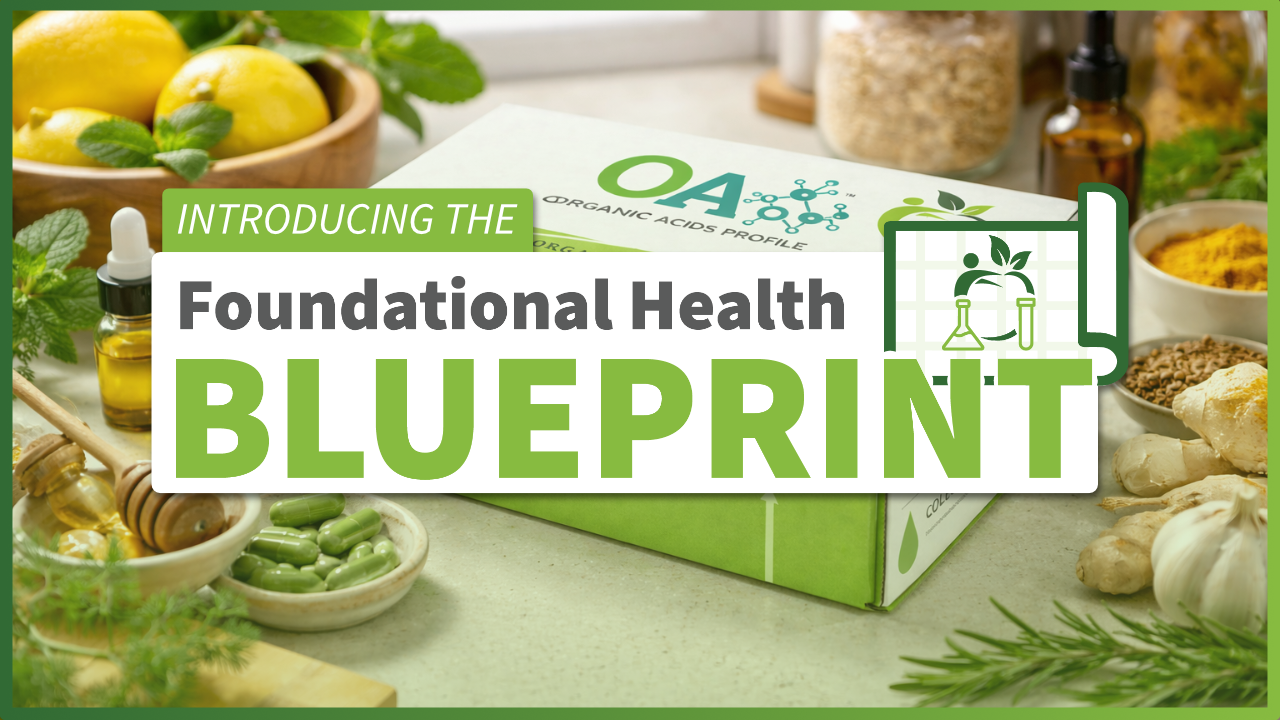
Comprehensive, At-Home Lab Testing
Discover your metabolic blueprint and get a complete picture of your health with our Foundational Health Blueprint!
How Strategic Stress Builds Energy, Resilience, and Longevity
Modern life has solved many problems—but in doing so, it has quietly created a new one: a lack of challenge to the human body.
We live in temperature-controlled homes, eat constantly, avoid discomfort, and spend most of our time indoors. While convenient, this lifestyle removes the very inputs our biology depends on to stay strong and adaptable.
This is where biohacking comes in—not as a trend, but as a return to how the body is designed to function.
What Is Biohacking, Really?
Biohacking is often misunderstood as a collection of expensive tools or extreme routines. In reality, it’s much simpler—and much more powerful.
At its core, biohacking is the intentional use of lifestyle, environment, and behavior to improve how your body functions.
It’s about learning how your body works and then making small adjustments that create meaningful changes over time.
This can include:
Adjusting light exposure to improve sleep
Using temperature (hot/cold) to stimulate recovery
Changing meal timing to support metabolism
Improving breathing to enhance oxygen efficiency
The goal isn’t perfection—it’s optimization through awareness.
The Foundation of Biohacking: Hormetic Stress
One of the most important principles in biohacking is hormesis—the idea that small amounts of stress can actually make the body stronger.
Think of it like exercise. Lifting weight is stressful to the body, it’s tiring and makes you sore. But that stress leads to stronger muscles and bones in the long term.
The same principle applies to many areas of health.
The “U-Shaped Curve” of Stress
Stress, though we often think of it as something negative, affects our body along a U-shaped curve. There’s a balance here that can be reached with intentional exposure to micro-stressors.
Too little stress → stagnation, low energy, poor resilience
Too much stress → burnout, inflammation, disease
The right amount → adaptation, strength, improved health
The problem today is that we’ve eliminated too many natural stressors. We rarely experience extreme temperatures, we have constant access to food, we get minimal natural light exposure, and we don’t exert our selves physically enough.
As a result, our body’s have become less adaptable. But through strategic implementation of biohacking practices, you can draw on hormetic stress to increase your body’s resiliency. This is done through practices such as:
Heat exposure (sauna)
Cold exposure (cold showers, plunges)
Fasting or meal timing
Exercise
Breath control
Environmental exposure (sunlight, grounding)
These aren’t harmful—they’re signals that tell your body to upgrade its function.

The Top 6 Most Powerful Biohacking Tools
1.) Sauna: Using Heat to Stimulate Recovery and Detoxification
Heat exposure is one of the oldest and most effective health practices across cultures. From Finnish saunas to sweat lodges, humans have used heat healing tool for generations.
How Sauna Impacts the Body
When you sit in a sauna, several things happen simultaneously:
Core body temperature rises
Blood vessels dilate (improving circulation)
Heart rate increases (similar to light cardio)
Sweating begins (supporting detox pathways)
This creates a controlled stress response that leads to adaptation and a variety of health benefits such as:
Cardiovascular support. Regular sauna use has been linked to improved heart health and circulation
Muscle recovery & pain relief. Heat relaxes muscles and may reduce joint stiffness
Detoxification support. Sweating helps eliminate certain toxins and heavy metals
Stress reduction. The parasympathetic nervous system (rest-and-digest) is activated post-session
Improved sleep quality. Body temperature regulation post-sauna can support deeper sleep
Infrared vs. Traditional Sauna
A common question is whether infrared or traditional, steam saunas are better. Really, the science shows they both have similar benefits, even when they work slightly differently:
Traditional sauna
High heat (150–200°F)
Heats the air around you
More intense, shorter sessions
Infrared sauna
Lower temperature
Penetrates deeper into tissues
Often associated with more gradual, deeper sweating
The takeaway: The best sauna is the one you’ll actually use consistently.
2.) Red Light Therapy: Optimizing Energy at the Cellular Level
Red light therapy (also known as photobiomodulation) is a highly researched tool in modern biohacking—and its impact starts deep within your cells.
Why Mitochondria Matter
Your mitochondria are responsible for producing ATP, the energy currency of your body. When mitochondrial function declines, you may experience:
Fatigue
Brain fog
Slower recovery
Increased risk of disease
How Red Light Therapy Works
Red and near-infrared light wavelengths penetrate the skin and interact with the mitochondria of your cells. This stimulates ATP production and improves cellular energy efficiency.
This leads to:
Increased energy production
Reduced inflammation
Improved skin health and healing
Enhanced muscle recovery
Support for joint and nerve pain
3.) Cold Exposure: Training Your Mind and Body to Handle Stress
Cold exposure is one of the most powerful—and immediately noticeable—biohacks available. It’s also one of the most resisted… just ask Dr. Kevin what he thinks of the cold.
What Happens During Cold Exposure?
When you enter cold water, your breathing becomes rapid, your heart rate spikes and your nervous system is activated. This is a controlled stress response—and learning to manage it is where the benefits come from:
Dopamine release (natural high). Leads to improved mood and sustained energy
Improved stress resilience. You train your body to stay calm under pressure
Enhanced recovery. Reduces inflammation and muscle soreness
Mental toughness. Builds discipline and confidence
Accessible Ways to Start
You don’t need a full cold plunge setup to start deliberate cold exposure. You can start with simple practices such as:
Finish your shower with 10–30 seconds of cold water
Splash cold water on your face in the morning
Hold cold water in your hands for 1–2 minutes
The goal isn’t suffering, it’s adaptation. Start small with this and you can feel the energy this gives your body.
4.) Grounding (Earthing): Reconnecting to a Missing Input
Grounding is often overlooked, but can be a simple, powerful tool for your health. It involves direct contact with the Earth’s surface—allowing your body to interact with its natural electrical charge.
Why Grounding Matters
The Earth carries a subtle electrical charge (known scientifically as the Schumann resonance). When you make direct contact, your body may discharge excess electrical buildup. This can lead to:
Reduced inflammation
Decreased chronic pain
Improved sleep
Better stress regulation
Simple Ways to Ground
Again, the best part about grounding? It’s simple, and it’s free. There’s no reason to overcomplicate this:
Walk barefoot on grass, sand, or soil
Stand outside without shoes for a few minutes daily
Spend time sitting or lying directly on the ground
5.) Sleep Optimization: The Highest ROI Biohack
If there’s one area of health to prioritize above all others—it’s sleep. No amount of dieting, exercise, biohacking, or supplementation can replace getting enough high-quality sleep. There’s no way around it. If you want better health, you have to master your sleep. Here are some simple tips to do just that.
In the morning, within the first hour of waking, get natural sunlight in your eyes (outside if possible). This gives your circadian rhythm the signal for wakefulness, which improves your energy during the day and sets you up for better sleep at night.
In the evening, stop eating 2-3 hours before bed. This helps your body focus on healing, rather than digesting while you’re asleep. Avoid caffeine 8-10 hours before sleep to ensure the drug doesn’t affect your sleep quality. And in the hours leading up to bed, avoid bright, blue-light as much as possible. Blue light signals daylight and wakefulness to your brain and damages your quality of sleep.
Why Light Matters So Much for Sleep
Light is your body’s natural signal for sleep. It drives the programming of the circadian rhythm within every cell of your body, and regulates key hormones for sleep and wakefulness like melatonin and cortisol. This is intuitive—we’re meant to be awake when the sun rises, and asleep when the sun falls.
This is why giving your body the right signals for light is so important.
When going to sleep—surround yourself with dimmer, warmer light (red or orange in color).
When waking up—get natural, bright daylight in your eyes.
6.) Breathing: An Overlooked Lever in Health
Breathing is automatic—but optimizing it can dramatically impact your health. When it comes to regular, everyday breathing, many people have the problem of breathing through their mouth. Chronic mouth breathing can lead to:
Poor oxygen efficiency
Sleep disruption
Increased stress response
Getting in the practice of controlled nasal breathing—breathing the way we were designed to—is a much healthier way to breathe. Doing this:
Filters and humidifies air
Improves oxygen delivery
Supports nervous system regulation
Master Your Breath: Two Key Techniques
To move beyond simple nose breathing, the podcast highlights two specific "breathing techniques" that can shift your internal state in minutes:
The Physiological Sigh: To perform this, inhale through your nose until your lungs feel full, then take a short, sharp second inhale to fully expand the air sacs before a long, slow exhale through the mouth. This technique is used to instantly calm the nervous system and manage stress throughout the day.
Cyclic Hyperventilation: This involves 25 deep, rapid inhales through the nose followed by relaxed "sighs" out of the mouth, concluding with a 25-second breath hold. This practice triggers a healthy adrenaline and dopamine rush, significantly boosting focus and alertness. Note: Because this technique involves intentional hyperventilation, it should not be practiced while driving or by beginners without proper supervision.

Health Stacking: Making Biohacking Practical
One of the biggest barriers to health isn’t knowledge—it’s time. That’s where the idea of health stacking comes in. Health stacking is the practice of “stacking” various strategies in your health routine and combining multiple in a single session. It can look like doing:
Sauna + meditation
Cold exposure + breathwork
Morning sunlight + walking
This helps you save time, build consistency, and enhances the overall effect of biohacking techniques. In the end, you may not need more time, just better integration.
Where to Start With Biohacking
It’s easy to believe that better health requires expensive equipment. But the truth is, there are plenty of high-impact, low (or no) cost tools you could be using right now to start improving your health. Thing like:
Sunlight exposure
Cold water exposure
Walking barefoot outside
Adjusting meal timing
Breathing properly
Tools like saunas and red light panels can enhance results—but they are not prerequisites.
The Power of Functional Medicine Testing to Measure Health
Say you start to implement some of these biohacks in your life—or even implement better nutrition, supplementation, and exercise—how do you know if it’s working?
One of the greatest frustrations in healthcare is being told your labs are "normal" when you still feel sick. Traditional labs often provide a "picture in time" that doesn't show the full story of your health and wellness.
This is where functional lab testing, like the Foundational Health Blueprint comes in. These tests are designed to get to the root cause behind health challenges, and measure over a longer period of time for a better picture. The Foundational Health Blueprint, for instance, uses an Organic Acid Profile to measure the end products of your metabolism. Rather than just checking levels, it investigates:
Mitochondrial Function: The key to energy and longevity.
Nutrition: How well your body takes in and uses the nutrients you consume.
Detoxification Pathways: How well your body is actually excreting toxins like mold or chemicals.
Gut Health: The balance within your gut, and its ability to process nutrients and produce key neurotransmitters for your mental health.
And more.
Functional medicine testing could give you the key insights your missing to reach your health goals of looking better, feeling better, and healing better.
Conclusion: Make Health Your Hobby
Biohacking doesn't have to be overwhelming or expensive. Whether it's splashing your face with cold water for a dopamine hit or "health stacking" your meditation with a sauna session, the goal is to incorporate these habits until they become a lifestyle.
As Dr. Kevin always says, the key is to make health your hobby.
FAQ: Frequently Asked Questions about Biohacking and Functional Testing
What is biohacking and does it actually work?
Biohacking is the practice of optimizing your body through lifestyle changes. Many strategies—like sleep optimization, light exposure, and cold therapy—are supported by scientific principles.
What is "Health Stacking"?
Health stacking is the practice of combining multiple health-optimizing habits at once to save time and increase efficacy—for example, praying or meditating while sitting in an infrared sauna.
Is cold plunging safe?
For most healthy individuals, cold exposure is safe when done gradually. Start small and build tolerance over time.
Why is infrared sauna considered better for detox than steam sauna?
Infrared waves penetrate deeper into the muscles and cells, causing a "deeper" sweat that can help excrete more heavy metals and toxins in a shorter period.
What is the benefit of "cold plunging" or cold exposure?
Cold exposure is a powerful hormetic stressor that triggers an immediate adrenaline and dopamine rush with no "crash," while helping the body learn to regulate its response to stress.
What makes the Foundational Health Blueprint different from a regular physical?
Traditional physicals look at static markers in the blood (serum), whereas the Blueprint uses urine to look at the metabolites—the byproducts of your biological processes—to see how your body is actually functioning over time.