7 Simple Strategies to Get in Summer Shape
Listen on your favorite podcast platform:
Spotify | Apple Podcasts | YouTube | IHeartRadio | Amazon Music
What if getting in shape for summer didn’t require extreme diets, endless cardio, or cutting out everything you love?
In this episode of the Foundational Health Podcast, Dr. Kevin Schultz breaks down 7 simple, science-backed strategies to help you lose fat, build muscle, boost energy, and feel confident—without overwhelm.
These aren’t complicated hacks. They’re foundational habits that work when done consistently. If you’re tired of starting over every summer, this episode will help you build a system that works for life—not just for a season.
A Blueprint for Your Healthiest Summer Yet
There’s a familiar pattern that shows up every year. As summer approaches, motivation spikes. You start thinking about getting in shape, feeling more confident, and having more energy. But for most people, that motivation quickly turns into overwhelm—strict diets, intense workout plans, and an all-or-nothing mindset that rarely lasts.
The problem isn’t a lack of effort. It’s the belief that getting in shape has to be complicated.
In reality, the most effective transformations come from simple habits performed consistently over time. When you focus on foundational behaviors—things your body is designed to respond to—you stop fighting your biology and start working with it.
Here are seven strategies that do exactly that.
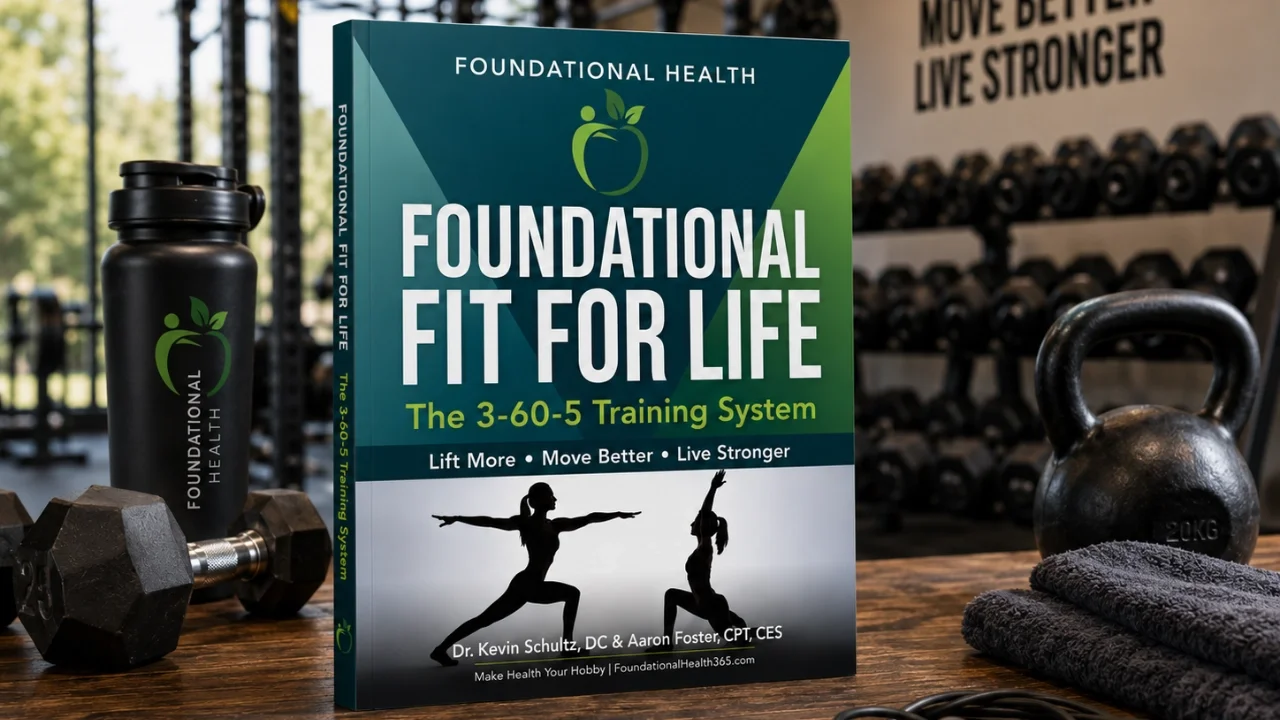
A Fitness Plan Built for Real Life
Download our free, Fit For Life training plan designed to help you build strength, boost energy, improve mobility, and feel better in your body — without spending hours in the gym.
1. Move More: The Most Underrated Fat Loss Tool
When people think about getting in shape, they often jump straight to structured workouts. But what actually moves the needle for most people is something much simpler: daily movement.
Your body isn’t designed to sit for 8–10 hours a day and then “fix it” with a 45-minute workout. It thrives on consistent activity throughout the day.
That’s where real change begins. Simple shifts like:
Taking a 10–15 minute walk after meals
Parking farther away or taking the stairs
Walking while taking calls
Standing more throughout the day
…can significantly improve your metabolism, blood sugar regulation, and overall energy levels.
What surprises most people is this: movement creates energy. The more you move, the less sluggish you feel—and the easier it becomes to stay active.
2. Lift More: Why Strength Training Changes Everything
If your goal is to lose weight, most people default to cardio. But if your goal is to look better, feel stronger, and keep the weight off, resistance training is far more effective.
Here’s why:
Cardio burns calories in the moment
Strength training builds muscle that burns calories all day
More importantly, without resistance training, your body will often lose muscle along with fat—which slows your metabolism and makes long-term results harder to maintain.
You don’t need a perfect program. You need a sustainable one. A simple starting point:
3 workouts per week
45–60 minutes per session
Focus on full-body movements
Consistency beats complexity every time.

3. Eat Real Food: The Foundation of Everything
Nutrition doesn’t need to be complicated—but it does need to be intentional. At its core, this strategy is simple: eat more food that comes from nature, and less that comes from a factory.
Whole foods provide your body with usable energy and nutrients. Processed foods, on the other hand, often do the opposite—leading to inflammation, energy crashes, and increased cravings.
Instead of obsessing over calorie counting, shift your focus to food quality. A practical framework:
Aim for ~90% whole, unprocessed foods
Leave room for flexibility with the remaining 10%
This approach removes restriction while still creating structure—making it far more sustainable.
4. Prioritize Protein: The Missing Link for Most People
If there’s one nutritional shift that consistently produces results, it’s increasing protein intake. Protein plays a critical role in:
Preserving muscle during fat loss
Reducing cravings and appetite
Supporting metabolism
But most people under-consume it—especially at breakfast. A simple approach is to build each meal around protein first, rather than treating it as an afterthought.
Key principles:
Include protein in every meal
Spread intake evenly throughout the day
Break your fast (your first meal) with high-quality protein
This not only supports fat loss—it makes staying consistent with your nutrition significantly easier.
5. Hydrate Properly: More Than Just Drinking Water
Hydration is one of the most overlooked aspects of health and performance. And it’s not just about how much water you drink—it’s about how well your body absorbs and uses it.
When you’re properly hydrated:
Your metabolism functions more efficiently
Your energy levels improve
Your body performs better across the board
But chugging large amounts of water at once isn’t the answer. Instead, think in terms of steady, consistent hydration throughout the day, ideally supported by electrolytes and water-rich foods like fruits and vegetables.
Even mild dehydration can slow progress—making this one of the simplest ways to improve results quickly.

6. Get Outside: The Hidden Fat Loss Advantage
Sunlight is one of the most powerful—and underutilized—tools for improving your health.
Daily exposure to natural light helps regulate your circadian rhythm, improve mood, and support hormone balance. A big part of this comes from vitamin D, which plays a direct role in metabolism and fat storage.
When vitamin D levels are low, the body is more likely to:
Store fat
Struggle with insulin sensitivity
Experience higher levels of inflammation
Spending even 10–20 minutes outside each day can begin to shift this. Better yet, combine it with movement—walk, breathe fresh air, and stack multiple healthy habits together.
Want to learn how to optimize your Vitamin D3 levels? Download Dr. Kevin’s free Vitamin D3 Guide!
7. Sleep Soundly: The Foundation Most People Ignore
You can do everything else right—but if your sleep is poor, your results will always be limited. Sleep isn’t just rest. It’s when your body:
Regulates hunger hormones
Repairs muscle tissue
Balances blood sugar
Supports fat loss
When sleep suffers, so does everything else. In fact, poor sleep increases cravings, appetite, and fat storage (especially around the belly) which makes reaching summer health goals even more difficult.
The sleep habits that make the biggest difference:
1.) Start your day right:
Get sunlight within the first hour of waking
2.) Manage caffeine wisely:
Avoid caffeine for the first 90 minutes
Stop intake at least 10 hours before bed
3.) Build a strong evening routine:
Finish large meals 3 hours before bed
Avoid intense activity 2 hours before
Limit screens and bright light 1 hour before
4.) Optimize your environment:
Keep your room cool (~65°F)
Eliminate as much light as possible
Reduce noise disruptions
Sleep is where transformation happens. Treat it like a priority, not an afterthought.
Final Thought: Consistency Over Intensity
Individually, these habits are powerful, but real transformation can happen when you stack them together. This also helps you build sustainable health habits that fit better into your life. Try this:
Go for a walk outside → you’re moving more, getting sunlight, improving mood
Drink water while walking → you’re hydrating
Do it with a friend → you’re building accountability
The biggest mistake people make is trying to do everything at once. Instead, start with 2-3 habits to start building consistency, and build more over time.
Because success isn’t about what you do occasionally—it’s about what you do daily. And when these habits become part of your lifestyle, getting in shape for summer stops being a goal…
…and becomes your default.
Getting Fit FAQs
What’s the best way to get in shape for summer?
Focus on daily movement, whole foods, protein intake, and sleep. These create the fastest and most sustainable results.
Do I need to diet to lose weight?
No. Prioritizing real, whole foods and protein naturally supports fat loss without strict dieting.
How important is sleep for fat loss?
Extremely. Poor sleep increases hunger, cravings, and fat storage while reducing metabolism.
Is lifting weights necessary?
Yes, if you want to preserve muscle and maintain long-term results. It’s one of the most effective strategies.
How much water should I drink?
A general guideline is about half your body weight in ounces per day, adjusted for activity and environment.
How much protein should I eat daily for weight loss?
Dr. Schultz recommends consuming 0.75 to 1.25 grams of protein per pound of ideal body weight. Prioritizing protein helps preserve muscle while losing fat and keeps you feeling full longer.
Does Vitamin D help with losing weight?
Yes. Vitamin D3 helps regulate fat metabolism and insulin sensitivity. Low levels of D3 are often linked to increased fat storage and higher appetite cravings.
Why is walking after a meal important?
10–15 minute walk after every meal is a powerful way to control blood sugar levels, boost your metabolism, and aid in weight loss.
What is the best temperature for deep sleep?
Sleep studies on millions of people suggest that 65 degrees is the optimal bedroom temperature for hitting the deepest, most restorative stages of sleep.